
Roads and Bridges
Comprehensive road and bridge solutions
Roads and Bridges Consulting Services
Sector Overview →
Mining →
Airports →
Roads and Bridges →
Geotechnical →
Municipal Infrastructure →
Commercial, Indusstrial and Residential Development →
Bulk Water →
Rail and Ports →
Finanacial Services →
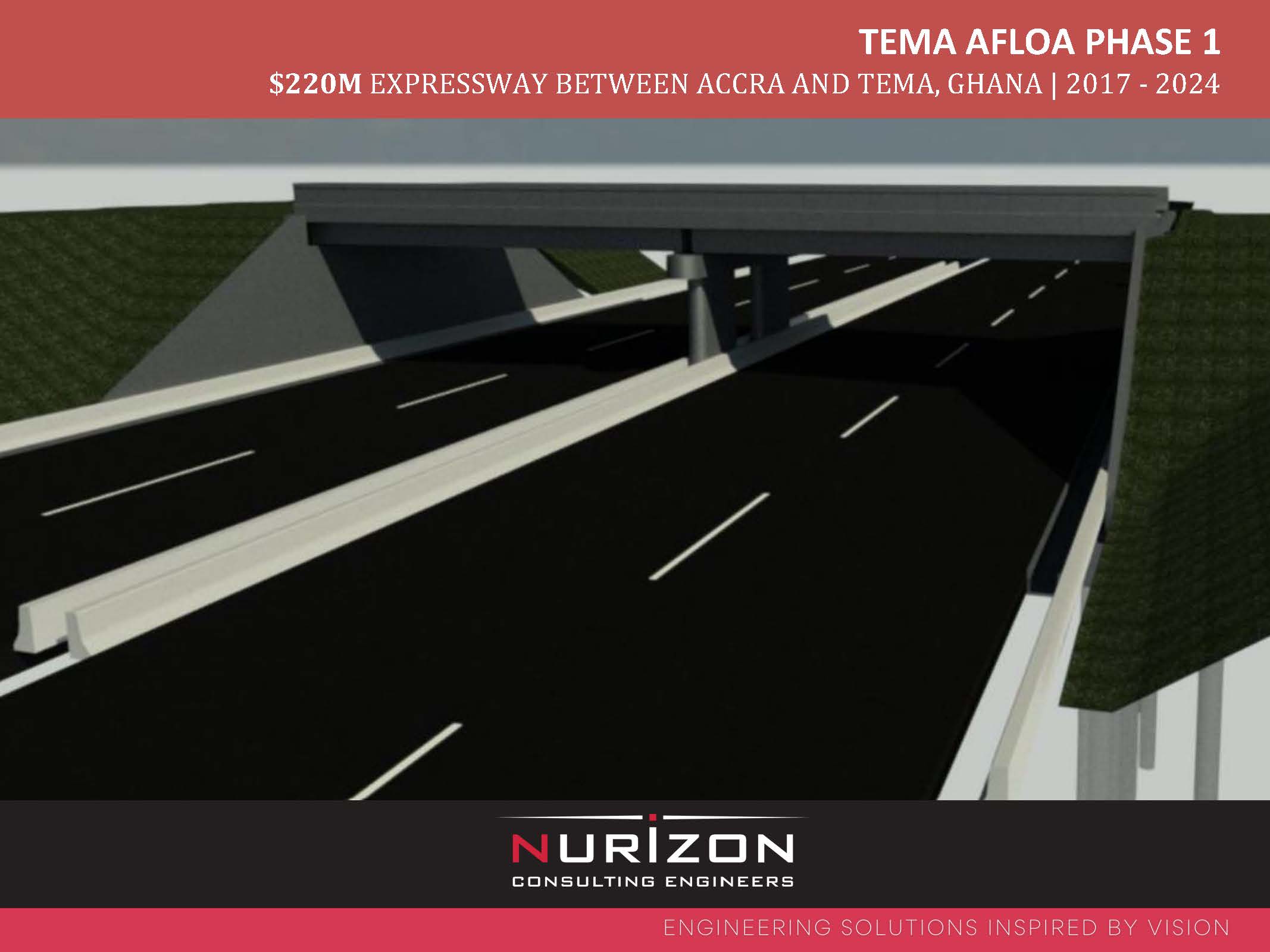
Tema Afloa Phase 1 – Ghana
Project: Detail Design – $220M Expressway between Accra and Tema, Ghana
The Government of Ghana urgently requires the rehabilitation and upgrading of the Tema-Aflao Road. The British Government, through its Export Credit Guarantees Department (UK Export Finance), is actively financing projects undertaken by British contractors. BHM Construction International (UK) Ltd. applied for and obtained financing to design and construct these works using the UKEF Direct Lending Facility, and Nurizon International was appointed for the engineering design of the project.
Scope of works on the project included:
- 17km three (3) lane per direction dual carriageway expressway and two (2) lane one-way service roads on either side;
- Four (4) interchanges / bridges;
- Bus-bays and Pedestrian bridge;
- Stormwater Drainage;
- Lighting; and
- Roadside furniture, signage, traffic control devices at interchanges and road markings.

Nimba Iron Ore, Guinea and Liberia
Project: Preliminary Mine Haul Road Design and Geotechnical Investigation
Sable Mining Africa Ltd. obtained an iron ore mining concession in the Mount Nimba region of the Republic of Guinea, with Phase 1 of the project comprising the extraction of 3Mtpa DSO (Direct Shipping Ore) from the concession area. Iron ore product was to be transported from the mine site to the Port of Buchanan, from where it was then to be exported.
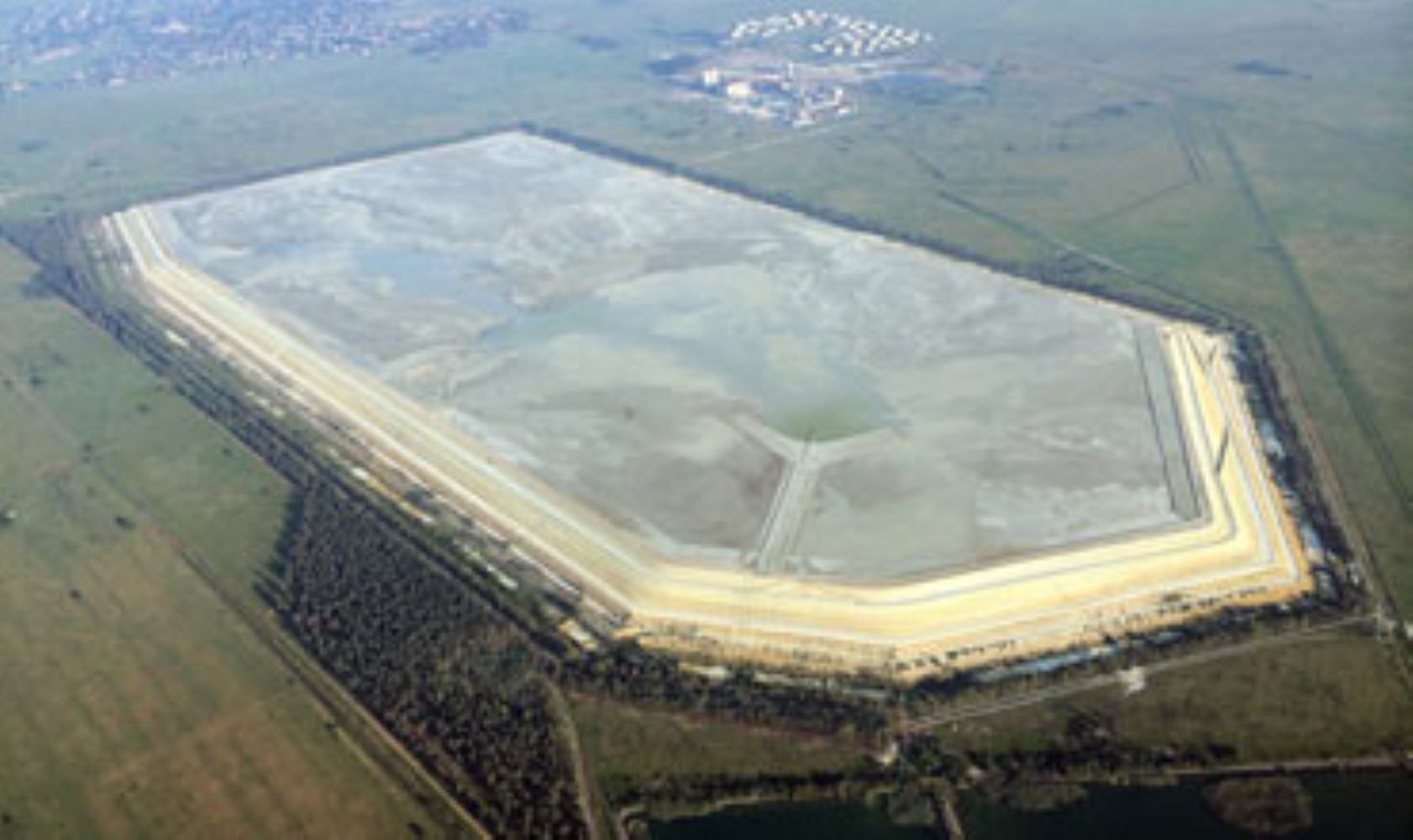
Syferfontein Megacity Development, Gauteng
Project: Roads and Stormwater Design: Preliminary Stage
The Gauteng Department of Human Settlements (GDHS) (Gauteng Provincial Government) released a ‘radical’ human settlements ‘mega projects’ strategy in April 2015 to cover housing development in the province over the 2014/15 – 2018/19 (5 year) period. The plan seeks to transform urban planning and coordinate housing development through the delivery of self-contained economies of no fewer than 15,000 units and up to 60,000 units (low to high income residential units), compared to previously sporadic, small and isolated developments. This is also hoped to ease housing backlog pressures.
Roads and Bridge Projects Showcase
Download Project Profile
Download Case Study

Download Case Study
Download Case Study

Download Case Study

Download Case Study
Download Case Study